TL;DR: A commissioning engineer semiconductor fab role proves that the building systems and utilities actually work the way the owner asked, before the fab starts production. You will work through Cx levels (commonly L1 to L5), test against the OPR and Basis of Design, run functional performance tests and build turnover packages. Certifications like ACG CxA, BCCB CCP and ASHRAE BCxP help, and many people get here from field or MEP work.
I recruit for roles like this on U.S. fab and plant projects, and commissioning is one of the easiest moves for experienced field and MEP people to misjudge. Some candidates think it is “just testing.” Others think they need ten certifications first. Neither is true. Good commissioning engineers are part detective, part paperwork machine and part diplomat. They find what doesn’t work, prove what does, and get everyone to agree on it.
This guide explains how commissioning (Cx) works on a fab, what you do day to day, which certifications are real and who issues them, and what to ask before you accept.
Commissioning engineer semiconductor fab role: what you actually do
Commissioning is a quality process. ASHRAE describes its Guideline 0, The Commissioning Process (current edition 2019) as a process capable of verifying that a facility and its systems meet the Owner’s Project Requirements, from pre-design through occupancy and operation. On a fab, that covers a huge list of systems, described generally:
- Cleanroom HVAC: make-up air, recirculation, temperature, humidity and pressure control
- Central utilities: chillers, boilers, cooling towers, compressed air, vacuum
- Process utilities: ultrapure water, process cooling water, bulk and specialty gas, chemical distribution, exhaust and abatement
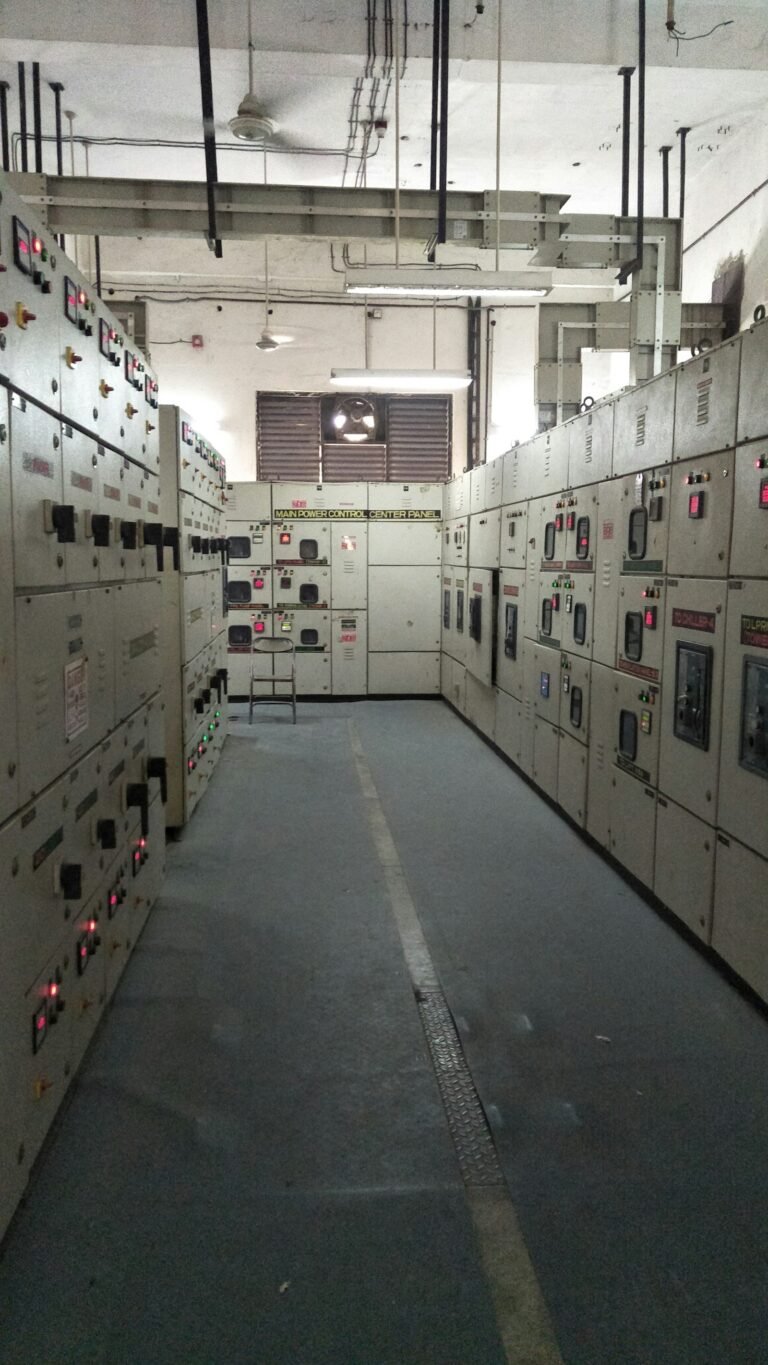
- Electrical: switchgear, UPS, generators and power distribution
- Controls and monitoring: building automation, facility monitoring and alarms
- Life safety: fire alarm, suppression and gas detection interfaces
You may work for the owner, a third-party Cx firm, the general contractor or a trade contractor. The job title is the same, but the loyalty is not. An owner’s Cx agent challenges the contractor; a contractor’s Cx engineer drives the work to pass. Ask which side you are on.
Key documents: OPR, BOD and the Cx plan
Commissioning lives and dies by documents. The Whole Building Design Guide’s page on commissioning documents, which cites ASHRAE Guideline 0-2019, describes them this way:
| Document | What it is | Who usually writes it |
|---|---|---|
| Owner’s Project Requirements (OPR) | The expectations, goals, benchmarks and success criteria for the project | Owner, with Cx support |
| Basis of Design (BOD) | Design team’s narrative and technical documentation of how the OPR is met | Design team |
| Cx Plan | Scope of commissioning activities, roles and schedule | Cx lead |
| Test procedures / FPT reports | Detailed instructions and acceptable results; records of functional and performance tests | Cx team, with contractors |
| Issues log | Formal, ongoing record of problems and how they were resolved | Cx team |
| Systems manual and final Cx report | Information to operate and maintain systems; final report to the owner | Cx team and contractors |
The simplest way to explain it in an interview: the OPR says what the owner needs, the BOD says how the design delivers it, and commissioning proves the built system does it.
Cx levels L1 to L5, step by step
On large mission-critical and industrial projects, commissioning is commonly split into levels. The exact names and boundaries vary by owner and project, so read the project’s Cx plan. Described generally:
- Level 1 (factory): Factory acceptance or witness testing of major equipment before it ships.
- Level 2 (delivery and installation): Checking equipment on arrival and verifying installation against drawings, specs and submittals. Often tracked with installation checklists.
- Level 3 (startup): Energizing and starting equipment, usually with the manufacturer, and completing pre-functional checks.
- Level 4 (functional performance testing): Testing each system through its sequences and operating modes, normal and failure, against the design.
- Level 5 (integrated systems testing): Testing systems together, for example how utilities, controls, power and life safety respond to a power loss or alarm.
Each level produces records. Open issues go into the issues log, and nothing gets signed off until they are closed or formally accepted.
What the job really looks like day to day
- Morning coordination: Review what is ready to test, what is blocked and which trades are needed.
- Field walks: Verify installations, check tags and labels, confirm systems are safe to test.
- Witnessing and running tests: Startups, functional tests, trend reviews with the controls team.
- Issue tracking: Log deficiencies with photos and clear descriptions, assign them, and chase closure.
- Documentation: Update checklists, test scripts and the Cx database.
- Turnover packages: Assemble test records, O&M manuals, warranties and training records so the owner can accept each system.
This is a field-heavy job. You will be around live electrical and pressurized systems, so safety habits matter. Know your site’s lockout/tagout (LOTO) rules and, for electrical work, NFPA 70E arc flash training. An OSHA 10 or 30 card is a common site requirement.
Commissioning certifications, verified
Certifications are not always required, but they help, especially for leading a Cx team. Three you will see on job posts, with the issuer and what I could verify:
| Credential | Issuer | What the issuer says |
|---|---|---|
| CxA (Certified Commissioning Authority) | ACG, AABC Commissioning Group | Multiple-choice exam based on DOE occupational guidelines for building commissioning professionals; third-party verification of each Cx project submitted. ACG reports 84 of 145 approved candidates passed in the 12 months ending 12/31/2025 (58%). |
| CCP (Certified Commissioning Professional) | Building Commissioning Certification Board (BCCB), separated from BCxA in 2004 | Per BCxA, based on education, experience and a written exam; received ANSI/ISO 17024 accreditation in 2016. |
| BCxP (Building Commissioning Professional) | ASHRAE | Validates competency to lead, plan, coordinate and manage a Cx team. Eligibility ranges from a PE or architect license plus 3 years of Cx experience to a high school diploma plus 10 years of building industry experience (5 in Cx), plus 3 Cx projects. Application fee $495 for members, $745 for non-members. |
A note on names: ASHRAE’s commissioning credential is called BCxP, not CCP. CCP is the BCCB credential. Get the name right on your resume. Recruiters and hiring managers notice.
The path from field or MEP into fab commissioning
Many commissioning engineers I talk to did not start in Cx. Common starting points are HVAC or electrical technicians, controls technicians, MEP field engineers, test and balance techs, facilities engineers, and MEP design engineers who want field time. A practical path:
- Document what you already tested. Startups, TAB, controls checkout, electrical testing. Write them as commissioning tasks on your resume.
- Learn the process language. OPR, BOD, Cx plan, FPT, issues log, turnover. Read the WBDG pages and ASHRAE’s Guideline 0 overview.
- Get in at Level 2 and 3. Installation verification and startup roles are the usual entry point.
- Grow into Level 4 and 5. Writing and running functional and integrated tests is where seniority and pay grow.
- Add a certification once you qualify. Check the experience and project requirements first; ASHRAE’s BCxP, for example, requires completed Cx projects.
On your resume, turn duties into proof. Instead of “supported startup,” write what system you started, what you tested, which issues you found and how they were closed. A line like “ran functional tests on cleanroom air handlers and logged and closed deficiencies with the controls contractor” tells a hiring manager far more than a list of equipment names. If you have worked on any live, occupied or mission-critical facility, say so. That experience transfers well to fabs.
Many Cx job posts do not ask for a PE license, but ASHRAE’s BCxP gives licensed engineers a shorter experience route. If you are an engineer thinking about the PE, that’s a nice side benefit.
What about pay?
BLS does not publish a separate occupation for commissioning engineers, and Cx roles are filled by people from several BLS categories (engineers, technicians, managers). Because there is no clean match, I’m not quoting a BLS number here. In practice, pay depends on whether you are an engineer or technician, the Cx level you run, travel, and per diem. See my construction per diem guide, exempt vs non-exempt overtime and the overtime calculator.
What’s different on Korean-affiliated fab projects
- Dual sign-off. Test results and turnover packages may be reviewed by the local team and by HQ engineers, so documents need to be very clean.
- Vendor reps from overseas. Startup often involves equipment vendor engineers who may prefer Korean or another language. Bilingual Cx engineers can be a real asset.
- Ramp-up pressure. As production dates near, test windows get tight and overtime is common. Clarify hours, travel and per diem in the offer.
- Contract vs direct. Many Cx roles are project-based. Read contract vs direct hire before you decide.
Questions to ask before you accept
- Do I work for the owner, a third-party Cx firm or a contractor?
- Which systems and Cx levels would I own?
- Which Cx software or database does the project use?
- What are the site hours, overtime rules and per diem?
- Will the company pay for CxA, CCP or BCxP fees and study time?
- What happens after turnover: next project, or end of assignment?
FAQ
Do I need an engineering degree to be a commissioning engineer?
Not always. Many strong Cx people come from technician or field backgrounds. ASHRAE’s BCxP even has an experience route without a degree.
Are Cx levels L1 to L5 a code requirement?
No. They are commonly used terminology, and definitions vary by owner. The project’s Cx plan is what counts.
What is the difference between OPR and BOD?
The OPR states what the owner needs. The BOD explains how the design meets it.
Which certification should I get first?
The one your employer or target clients recognize, and one you qualify for. Check each issuer’s experience and project requirements.
Is commissioning a long-term career?
Yes, for many people. It can lead to Cx lead, Cx manager or owner-side operations roles.
Not legal advice; certification bodies and your employer set the rules. Details as of October 2026. Sources: ASHRAE commissioning standards and guidelines, WBDG commissioning documents, ASHRAE BCxP, ACG CxA, BCxA on CCP. Cx level terminology is described generally and varies by project.
Engineering exam prep and references on Amazon
Learn the site’s own test meter and calibration rules before buying personal instruments.
- ASHRAE Guideline 0 The Commissioning Process
- Building commissioning handbooks
- HVAC controls and sequences of operation books
- Clamp meter for field testing
- Digital manometer for pressure checks
As an Amazon Associate, GRYNDHAUS earns from qualifying purchases.