TL;DR: In a piping engineer semiconductor fab role, you design and check the pipes that carry ultrapure water, gases, chemicals, cooling water and exhaust to the tools. The core code is ASME B31.3, the daily work is P&IDs, isometrics, stress analysis and 3D model review, and the long-term license path is usually the PE in Mechanical.
I recruit for roles like this on U.S. fab and plant projects, and “piping engineer semiconductor fab” roles are something I get asked about a lot by engineers coming from refineries, chemical plants or building MEP. The good news: a lot of your skills carry over. The catch: a fab is not a refinery. The fluids are cleaner, the tolerances are tighter, and the coordination never stops. This guide covers what the job actually is, which codes and tools you will touch, how licensing works, and what to ask before you say yes.
When I screen candidates, the people who get offers can explain two things clearly: what systems they designed, and how they handled changes once construction started. Keep that in mind as you read.
What a piping engineer in a semiconductor fab actually designs
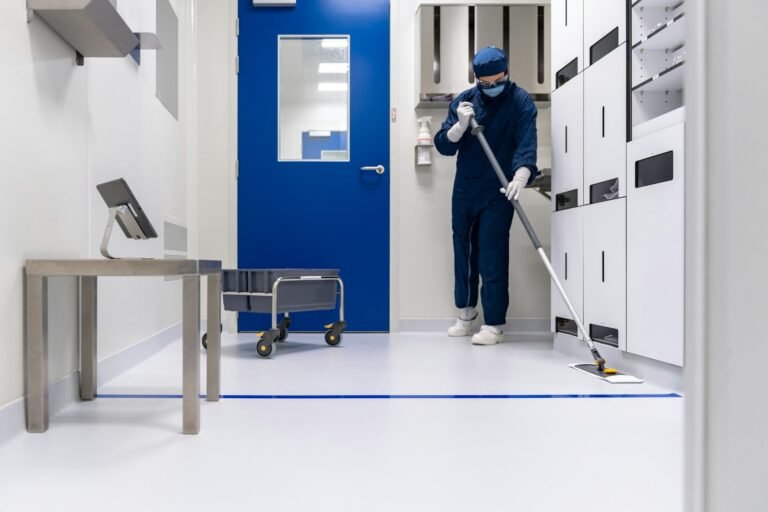
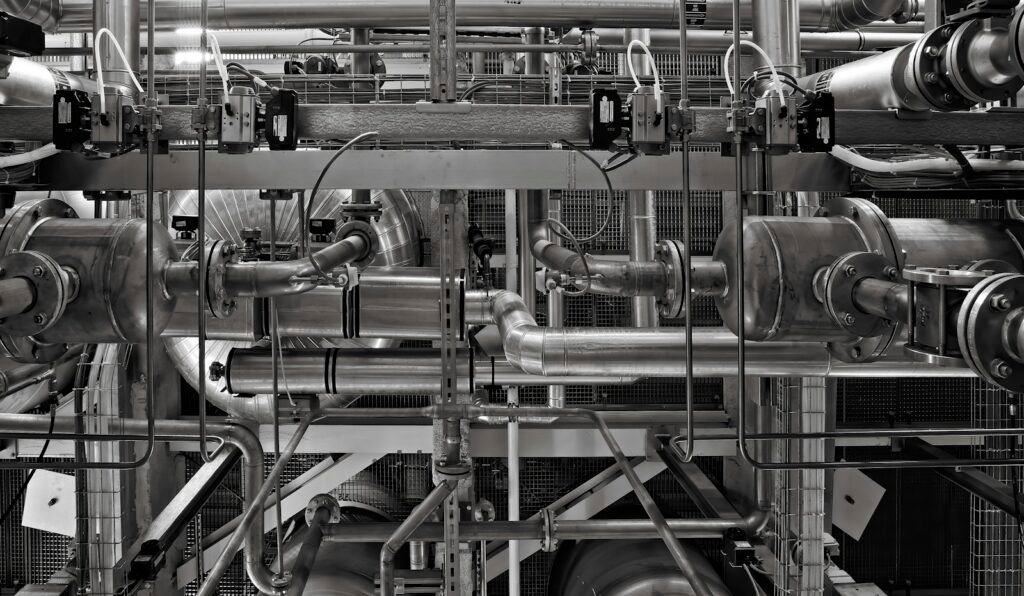
A fab runs on utilities. The process tools on the cleanroom floor need a steady, clean supply of many different fluids, and they push waste and exhaust back out. Each one is its own piping system with its own materials, joining methods and testing rules. Described generally, the main systems are:
- Ultrapure water (UPW): highly treated water used for rinsing wafers. Purity drives everything here, so material choice and clean installation matter a lot.
- Bulk gases: large-volume gases such as nitrogen and other common process gases, usually fed from a yard or plant outside the main building.
- Specialty gases: smaller volumes of gases that can be toxic, flammable or corrosive. These usually run through gas cabinets, valve manifold boxes and double-contained lines.
- Chemical distribution: acids, bases and solvents delivered from a central chemical area to the tools.
- Exhaust: general, acid, solvent and other exhaust streams that carry fumes away from the tools to abatement and scrubbers.
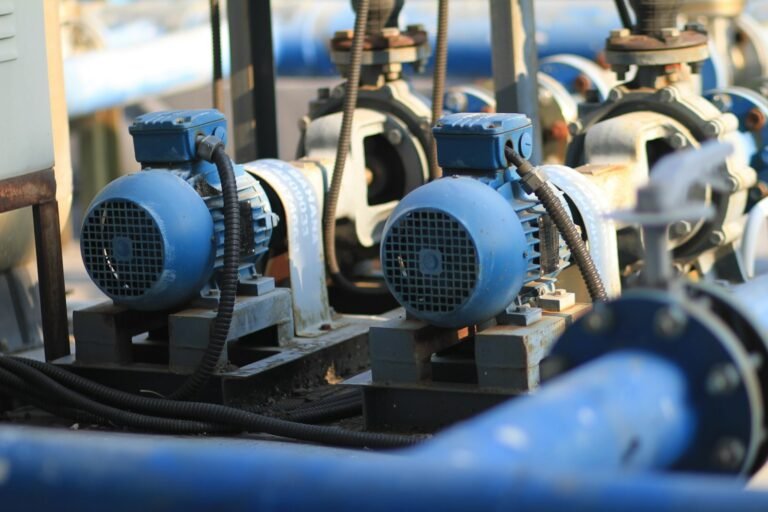
- Process cooling water (PCW): closed-loop cooling water that removes heat from tools.
- Drains and waste: segregated drain systems so different waste streams can be treated separately.
On most projects these systems are split between a “base build” scope (the main headers and laterals in the subfab and utility areas) and a “tool hookup” scope (the final connections to each tool). Ask which side a role sits on. The day-to-day is different.
ASME B31.3 and the other codes you will use
The main piping code is ASME B31.3, Process Piping. ASME’s own page lists semiconductor plants in its scope, alongside refineries and chemical, pharmaceutical and cryogenic plants, and lists 2024 as the current edition. The B31.3 table of contents shows chapters that matter in a fab: Category M fluid service (very toxic fluids), nonmetallic and lined piping, and a dedicated chapter on High Purity Piping. It also has an appendix that guides how to classify fluid services.
Why this matters in an interview: hiring managers want to hear that you know how fluid service classification changes the rules for design, examination and testing. You do not need to quote paragraph numbers. You do need to explain the logic.
Fire and life-safety rules for fabs also show up, especially for hazardous gas and chemical systems. NFPA maintains NFPA 318, Standard for the Protection of Semiconductor Fabrication Facilities. Which editions apply depends on what the local jurisdiction adopted, so the project’s code analysis decides, not you.
What the job really looks like day to day
Most fab piping work at a design firm cycles through the same deliverables. Here is the typical flow, step by step:
- Read the basis. Start from the process and utility requirements: flows, pressures, temperatures, purity and tool loads.
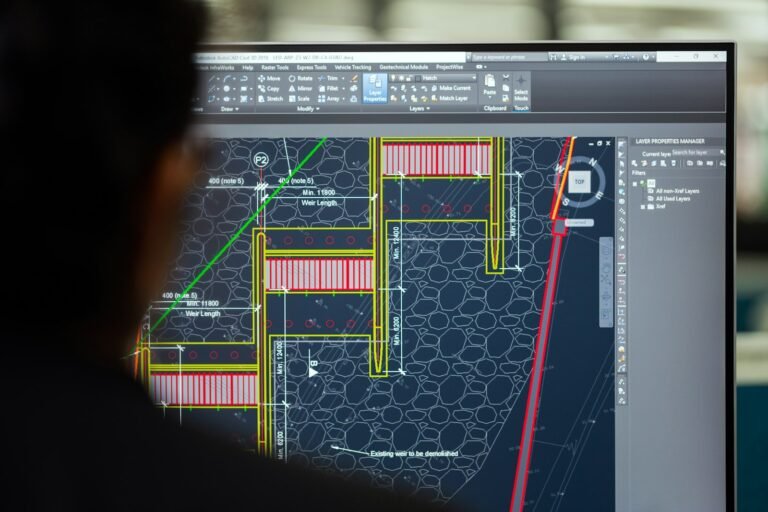
- Develop and mark up P&IDs. Piping and instrumentation diagrams show every line, valve, instrument and connection. You will mark them up, check line numbers and keep them in sync with the model.
- Size lines and select materials. Pick pipe classes, wall thickness, valves and joining methods that fit the fluid service.
- Route in the 3D model. Model the piping in the subfab, utility areas and pipe racks, around ducts, cable trays and structure.
- Run stress analysis where needed. Check thermal expansion, supports, anchors and loads on equipment nozzles for the lines that need it.
- Join model reviews and clash checks. Walk the model with mechanical, electrical, structural and the contractor, and fix clashes before they reach the field.
- Issue isometrics and support details. Isometric drawings give fabricators and installers each line’s exact geometry, welds and bill of materials.
- Support construction. Answer RFIs, review submittals, handle field changes and help with test packages and turnover.
On fast-track fab projects, steps 4 through 8 overlap. Design is often still moving while early packages are being built. In my experience, the engineers who do well are calm about revisions and disciplined about document control.
Tools commonly used on fab piping projects
Every firm has its own stack, so treat this as a map, not a checklist. Tools commonly used on fab and plant piping work include:
- AutoCAD Plant 3D or similar plant design software for P&IDs, 3D routing and isometric extraction.
- CAESAR II or a similar program for pipe stress analysis.
- Navisworks or a similar viewer for model review and clash detection across trades.
- Revit on some building-side MEP scopes, plus the usual spreadsheets for line lists and calculations.
If you used a different plant design or stress tool, say so plainly and explain what you did with it. Hiring managers care more about the decisions you made than the brand of software.
Piping engineer semiconductor fab skills hiring managers look for
Here is how I sort what I see on resumes for this role. Use it to check your own resume before you apply.
| Skill area | What “strong” looks like | How to show it on a resume |
|---|---|---|
| Code knowledge | Applies ASME B31.3 fluid service rules, design and testing logic | Name the code and the systems you applied it to |
| P&IDs | Develops, marks up and checks diagrams against the model | “Maintained P&IDs for UPW and PCW systems” |
| Stress analysis | Models lines, supports and nozzle loads, explains results | List the program and the type of lines analyzed |
| 3D modeling and review | Routes piping, leads or joins clash reviews | Name the software and your role in reviews |
| Isometrics | Issues clean, buildable isos with correct BOMs | Mention volume and fabrication interface |
| Construction support | Handles RFIs, submittals and field changes | Give your RFI/submittal role on a live project |
| Communication | Explains changes clearly to owner, contractor and other trades | Mention coordination meetings you ran or supported |
If you are coming from a refinery or chemical plant, highlight B31.3 and stress work. If you are coming from building MEP, highlight coordination, model reviews and any hydronic or gas systems. Both paths can work.
License path: FE, then PE Mechanical
You can start this job without a license. The BLS Occupational Outlook Handbook says licensure is not required for entry-level mechanical engineers, but a PE license allows more independence and leadership later. For senior roles where you seal drawings, it matters.
- Pass the FE exam. NCEES says the FE exam is computer-based, offered year-round at Pearson test centers, has 110 questions in a 6-hour appointment, and costs $225 paid to NCEES.
- Get qualifying experience. BLS notes that typical state requirements include an accredited degree and at least 4 years of relevant work experience. Your state board sets the exact rule.
- Pass the PE Mechanical exam. NCEES offers the PE Mechanical exam in three modules: HVAC and Refrigeration, Machine Design and Materials, and Thermal and Fluid Systems. It is computer-based, year-round, 80 questions, a 9-hour appointment, and a $400 exam fee to NCEES. Boards may add their own application fee. Thermal and Fluid Systems is usually the closest fit for piping work.
- Apply to your state board. Each state issues its own license.
If your degree is from outside the U.S. and the program is not EAC/ABET-accredited, NCEES says you need its Credentials Evaluations service for an NCEES Record, and it advises starting early. Check what your state board requires too. For readers trained in Korea: a U.S. PE is a state license with its own rules. It is not the same thing as the Korean 기술사, even if both signal senior competence. For bigger immigration plans, my EB-2 NIW guide for engineers covers a related path.
Pay: what BLS says about mechanical engineers
BLS does not track “fab piping engineer” as its own job, so the closest match is mechanical engineers. According to the BLS OOH, the median pay for mechanical engineers was $104,110 per year in May 2025. BLS also shows that the largest share of mechanical engineers (20%) work in architectural, engineering and related services, which is where design firms sit.
Real offers swing with location, experience, license status and whether you are a direct hire or a contractor. Run offers through my offer comparison calculator, and read contract vs direct hire if a role is offered both ways.
What’s different on Korean-affiliated fab projects
Some of the fab projects I recruit for have owners or contractors with headquarters in Korea. Patterns I see:
- Two review loops. Design decisions may be reviewed locally and by an HQ engineering team, so expect more review cycles and very detailed comments.
- Bilingual coordination. English is the project language, but Korean speakers who can bridge meetings and markups are valued. It is a plus, not a requirement, for most roles.
- Schedule pressure. Fast-track timelines can mean overtime during peaks. Ask whether you are exempt or non-exempt; see exempt vs non-exempt overtime.
- Site time. Design roles can include site visits. If you go to site, OSHA training helps; here is OSHA 10 vs OSHA 30.
Questions to ask in the interview
- Which systems would I own: UPW, gases, chemicals, exhaust, PCW, or a mix?
- Is this base build, tool hookup, or both?
- Who runs stress analysis, and would I do it myself or review it?
- Which plant design, stress and review tools does the team use?
- How much of the role is office design versus site support, and where is the site?
- Does the firm support the PE exam (study time, exam fees, PE-track mentoring)?
- What happens to my role when this project ends?
For general prep, see my Korean company interview questions post.
FAQ
Do I need semiconductor experience to get hired?
Not always. Refinery, chemical, pharmaceutical and building MEP piping backgrounds can transfer. Show B31.3 work, stress analysis and coordination on complex projects.
Which ASME B31.3 edition applies to my project?
The project specification states it. ASME lists 2024 as the current edition, but projects can be locked to an earlier one.
Which PE module fits fab piping?
Thermal and Fluid Systems is usually the closest fit. HVAC and Refrigeration can fit if your work leans toward cooling and exhaust.
Do I need a PE to work as a piping engineer?
Not to start. BLS says entry-level roles do not require it. It matters more as you move into roles that seal drawings or lead disciplines.
Is this a design job or a field job?
At a design firm, mostly design, with site visits and construction support. Contractor-side piping engineers spend more time in the field.
Not legal advice; your state board’s rules decide. Pay and exam details are as of October 2026. Sources: ASME B31.3, NFPA 318, NCEES FE, NCEES PE Mechanical, NCEES Education FAQs, BLS OOH Mechanical Engineers. Software names are examples of commonly used tools, not endorsements.
Engineering exam prep and references on Amazon
Check which B31.3 edition your project spec names before buying a code book.
- ASME B31.3 Process Piping code
- Process piping design and B31.3 guide books
- Pipe stress analysis books
- PE Mechanical Thermal and Fluid Systems practice exams
- TI-36X Pro calculator (NCEES-approved model family)
- Casio fx-115 calculator (NCEES-approved model family)
As an Amazon Associate, GRYNDHAUS earns from qualifying purchases.