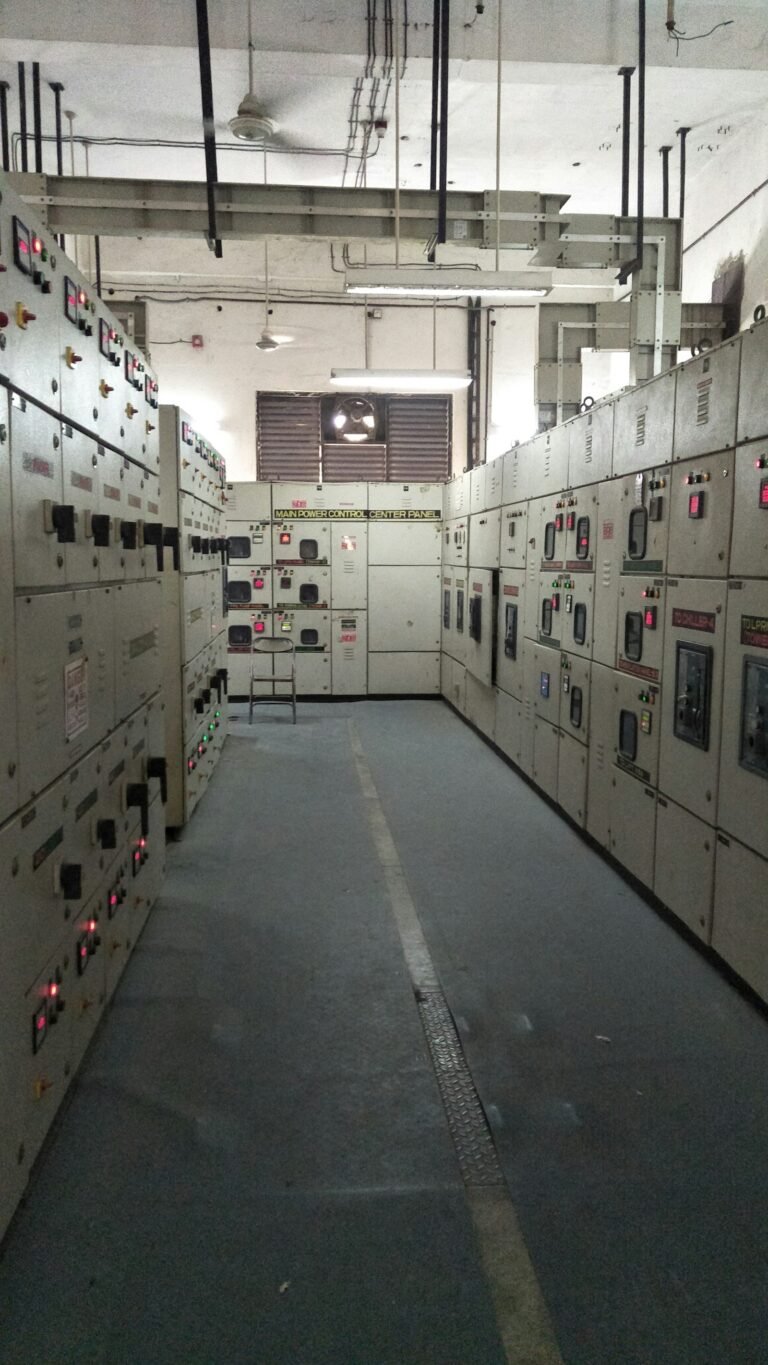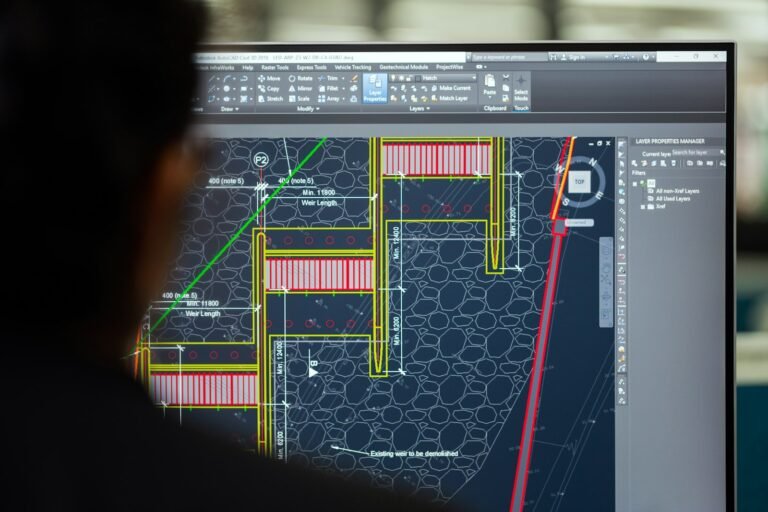
TL;DR: An instrumentation and controls engineer, semiconductor fab side, designs the sensors, control panels and monitoring systems that keep fab utilities and the building running, and documents them in P&IDs, loop diagrams, an instrument index and control narratives. ANSI/ISA-5.1-2024 sets the symbols; ISA’s CAP and CCST and the once-a-year PE Control Systems exam are the main credentials. BLS has no separate I&C wage, but electrical engineers, the closest profile, had a median of $120,630 in May 2025.
I recruit for roles like this on U.S. fab and plant projects, and the title “instrumentation and controls engineer” confuses a lot of candidates. On a fab design team, it usually does not mean the process tools inside the cleanroom. Those come from the tool makers. It means everything around them: the water, gas, chemical, exhaust and HVAC systems that must run 24/7, and the monitoring system that tells operators when something drifts.
Candidates from refineries, water plants, pharma and data centers often fit well, because the instruments and documents are similar. This guide explains the work, the documents you will own, the credentials that matter and how pay compares, as of late October 2026.
Instrumentation and controls engineer, semiconductor fab: what the job covers
Think of the fab as a small city of utility plants feeding one very sensitive building. The I&C engineer makes those plants measurable and controllable. In general terms, the work covers:
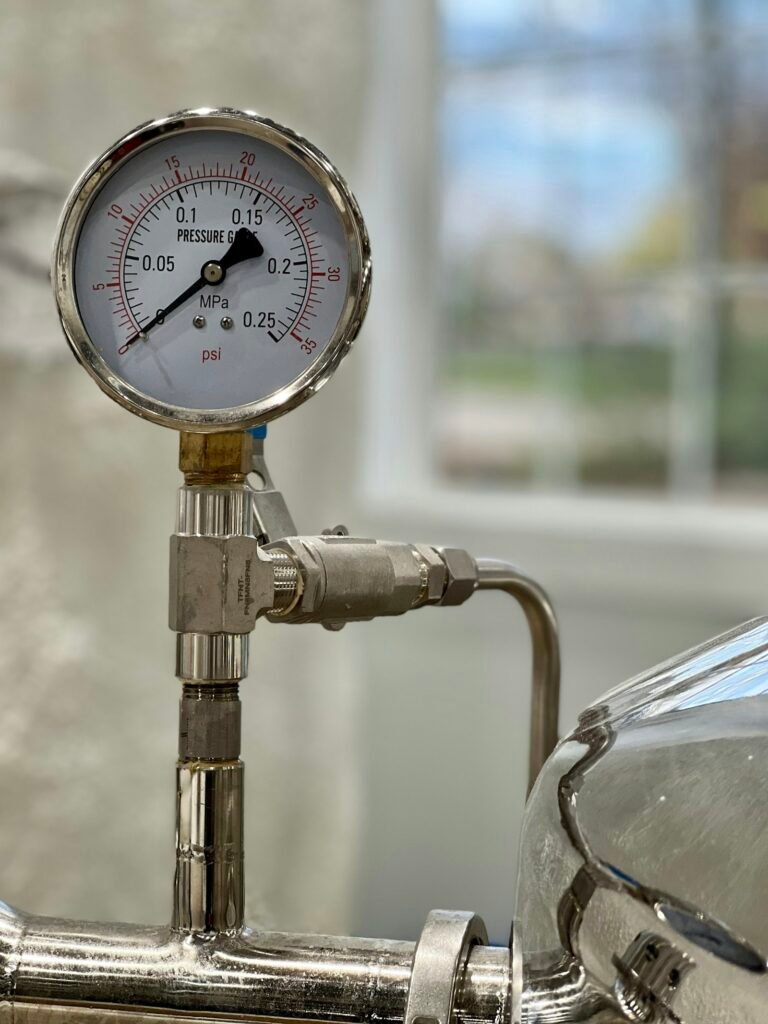
- Utility instrumentation: flow, pressure, temperature, level and water-quality instruments on systems like ultrapure water, process cooling water, compressed air, nitrogen and chemical delivery.
- Control systems: PLC-based control panels for utility skids, and SCADA or supervisory software that ties them together.
- Facility monitoring: the facility monitoring and control system (FMCS) or building management system (BMS) that collects alarms and trends across utilities, HVAC and cleanroom conditions.
- Cleanroom monitoring: room pressure, temperature, humidity and particle counts. Cleanroom air cleanliness classes come from ISO 14644-1:2015, which classifies air by concentration of airborne particles from 0.1 to 5 µm.
- Safety signals: interfaces with gas detection, fire alarm and emergency shutdowns, worked out with the fire protection and safety teams.
Employers include A&E design firms, controls system integrators, utility skid vendors, and the owner’s facility engineering team once the fab starts up.
The documents you will own
When I screen I&C resumes, hiring managers almost always ask which of these documents the candidate has produced, not just reviewed.
| Document | What it shows | Related standard |
|---|---|---|
| P&ID (piping and instrumentation diagram) | Piping, equipment, instruments and control functions for each system | ANSI/ISA-5.1-2024, Instrumentation and Control – Symbols and Identification |
| Loop diagram | Wiring and connections for one instrument loop, field to controller | ISA-5.4-1991, Instrument Loop Diagrams |
| Instrument index | Master list of every tagged instrument, with service, range and references | Tag format follows the ISA-5.1 identification system |
| Instrument data sheets | Specs for buying each instrument: range, materials, signal, process conditions | Project or company templates |
| Control narrative | Plain-language description of how each system starts, runs, alarms and shuts down | ISA-5.06.01-2007, Functional Requirements Documentation for Control Software Applications |
| I/O list and cause-and-effect matrix | Every input and output point, and which events trigger which actions | Project standard |
ISA updated 5.1 in 2024. Its announcement says the title now includes “Control,” the structure was simplified, new symbols were added, and the old annexes moved into technical reports ISA-TR5.1.02 and ISA-TR5.1.03. ISA’s ISA-5 series page also lists ISA-TR5.1.04-2026 on content for PFDs and P&IDs. Many projects still use older symbol legends, so ask which version the drawing set follows.
What the job really looks like day to day
On the design side, the week is mostly documents and coordination. Closer to startup, it moves to the field. A typical mix:
- P&ID reviews with the process utility and mechanical engineers, adding instruments, tags and control loops.
- Instrument index updates as vendors change skids or the owner adds tools.
- Vendor document reviews: checking skid vendor P&IDs, panel drawings and PLC I/O against the project standard.
- FMCS integration meetings: agreeing point names, alarm priorities and network connections between vendor PLCs and the central monitoring system.
- Field work at startup: loop checks, calibration review and commissioning support, with hard hat, glasses and boots on site.
Field work brings electrical safety rules into play. If you will touch panels, read my guides on NFPA 70E arc flash training and lockout/tagout.
Skills that get your resume shortlisted
From the feedback I get on I&C submittals, these points move a resume to the interview pile:
- Named systems you instrumented (for example “ultrapure water skid” or “process cooling water loop”), not just “utilities.”
- Which documents you created yourself: P&IDs, loop diagrams, instrument index, data sheets, control narratives.
- PLC and SCADA platforms you have configured or reviewed, and whether you wrote logic or only specified it.
- Commissioning experience: loop checks, calibration records, alarm testing and turnover packages.
- Comfort working with fire alarm, gas detection and safety teams on shutdown logic.
If you speak Korean, say so clearly near the top. My guide to putting Korean on your resume shows how to list it without overclaiming.
ISA certifications: CAP and CCST
ISA runs the two certifications I see most on I&C job posts. Neither is a license, but both help prove hands-on experience.
CAP (Certified Automation Professional)
- With a 4-year technical degree, you need at least 5 years in the automation field. With a 2-year degree or no degree, you need at least 10 years plus references (ISA CAP requirements).
- The exam has 175 multiple-choice questions over four hours, taken online or at a test center (ISA CAP).
CCST (Certified Control Systems Technician)
- ISA says CCSTs calibrate, document, troubleshoot and repair or replace instrumentation (ISA CCST).
- Level 1 needs at least 5 years of combined education, training and experience; Level 2 needs 7; Level 3 needs 13 (CCST requirements).
- Exams: Level 1 has 150 questions in 4 hours, Level 2 has 125 in 3 hours, Level 3 has 150 in 4 hours.
ISA’s pages did not show fee amounts when I checked, so confirm the current fees at checkout.
The PE Control Systems path, step by step
BLS says licensure is not required for entry-level electrical engineers. But on design teams, a PE lets you seal drawings and lead work. Here is the usual route:
- Pass the FE exam. NCEES runs it year-round on computer: 110 questions, a 6-hour appointment, $225 (NCEES FE). Many I&C engineers take the Electrical and Computer or Chemical version based on their degree.
- Build experience under a PE. New York, for example, requires 12 years of total education and experience credit, where an ABET engineering bachelor’s counts for 8 years, so you need 4 years of work (NYSED). Texas asks for at least 4 years of practice with an accredited degree (TBPELS).
- Register early for PE Control Systems. It is offered once a year; the next date is April 14, 2027. It has 85 questions in a 9.5-hour appointment and costs $400 paid to NCEES (NCEES PE Control Systems).
- Study the specification. The exam specification covers measurement, control systems, final control elements, signals and networking, and safety systems. It lists ANSI/ISA-5.1 and ISA/IEC 61511 (functional safety for the process industry) as referenced standards, so check which editions apply to your exam date.
- Apply to your state board. Fees vary: Texas lists $75 (TBPELS fees), New York $377 (NYSED), and Arizona $325 (Arizona BTR).
For the calculator, the NCEES policy allows Casio fx-115 and fx-991 models, the HP 33s and HP 35s, and TI-30X and TI-36X models.
Pay: what BLS data says
BLS does not track “instrumentation and controls engineer” as its own occupation. The closest match is electrical and electronics engineers (BLS OOH):
- Electrical engineers: median $120,630 in May 2025.
- Electronics engineers, except computer: median $130,220 in May 2025.
- Employment of the group is projected to grow 8% from 2025 to 2035.
Field-heavy roles often add overtime or per diem. Use the overtime calculator and per diem calculator to compare offers fairly.
What’s different on Korean-affiliated fab projects
- HQ standards: the owner may bring its own tag rules, alarm philosophy or preferred platforms. Expect to map them to the project’s ISA-based legend.
- Bilingual documents: vendor manuals and control narratives sometimes arrive in Korean first. If you read both languages, you become the bridge between the vendor, the owner and the U.S. design team.
- Ramp-up overtime: startup and commissioning can mean long weeks. Ask whether the role is exempt or non-exempt; my exempt vs non-exempt guide explains why it matters.
- Expat counterparts: you may work next to engineers on assignment from Korea. Clear meeting notes and agreed tag lists save a lot of rework.
Questions to ask in the interview
- Is the role on utilities, FMCS/BMS, or both?
- Which version of ISA-5.1 does the P&ID legend follow?
- Who owns the instrument index and the cause-and-effect matrix?
- Will I do PLC or SCADA programming, or only specify and review?
- How much field time is expected during startup, and is overtime paid?
- Is there a PE on the team who can verify my experience for licensure?
FAQ
Do I need fab experience to get hired?
Not always. Hiring managers value strong P&ID, loop and instrument index work from refineries, water plants, pharma or data centers. Fab experience helps, but solid documents matter more.
CAP or PE: which one should I get first?
If you plan to seal drawings at a design firm, the PE matters more. CAP is useful for integrators and owner roles, and it does not replace a state license.
Is IEC 61511 used on fab utilities?
It depends on the project’s hazard analysis. ISA/IEC 61511 is written for the process industry sector, and it is a referenced standard on the PE Control Systems exam, so learning it is worth it either way.
How often is the PE Control Systems exam offered?
Once a year. NCEES lists April 14, 2027 as the next date, and seats can be reserved up to a year ahead.
Can I change employers while my H-1B is pending or active?
Many I&C engineers move between integrators and design firms. If you are on H-1B, read my H-1B transfer guide before you resign.
Not legal advice; your state board’s rules decide. Standards summarized, not quoted. Sources: BLS OOH Electrical and Electronics Engineers (May 2025 wages); ISA CAP, CCST and ISA-5 series pages; ISA 2024 ISA-5.1 announcement; ISO 14644-1:2015; NCEES FE, PE Control Systems and exams pages; NCEES PE Control Systems specification; NYSED; TBPELS; Arizona BTR. Checked October 2026.
Engineering exam prep and references on Amazon
Check which ISA-5.1 edition your project legend uses before you buy.
- ANSI/ISA-5.1 instrumentation and control symbols
- Instrument Engineers’ Handbook
- PE Control Systems practice exam
- ISA CCST study guide
- Casio fx-115ES PLUS calculator
As an Amazon Associate, GRYNDHAUS earns from qualifying purchases.